
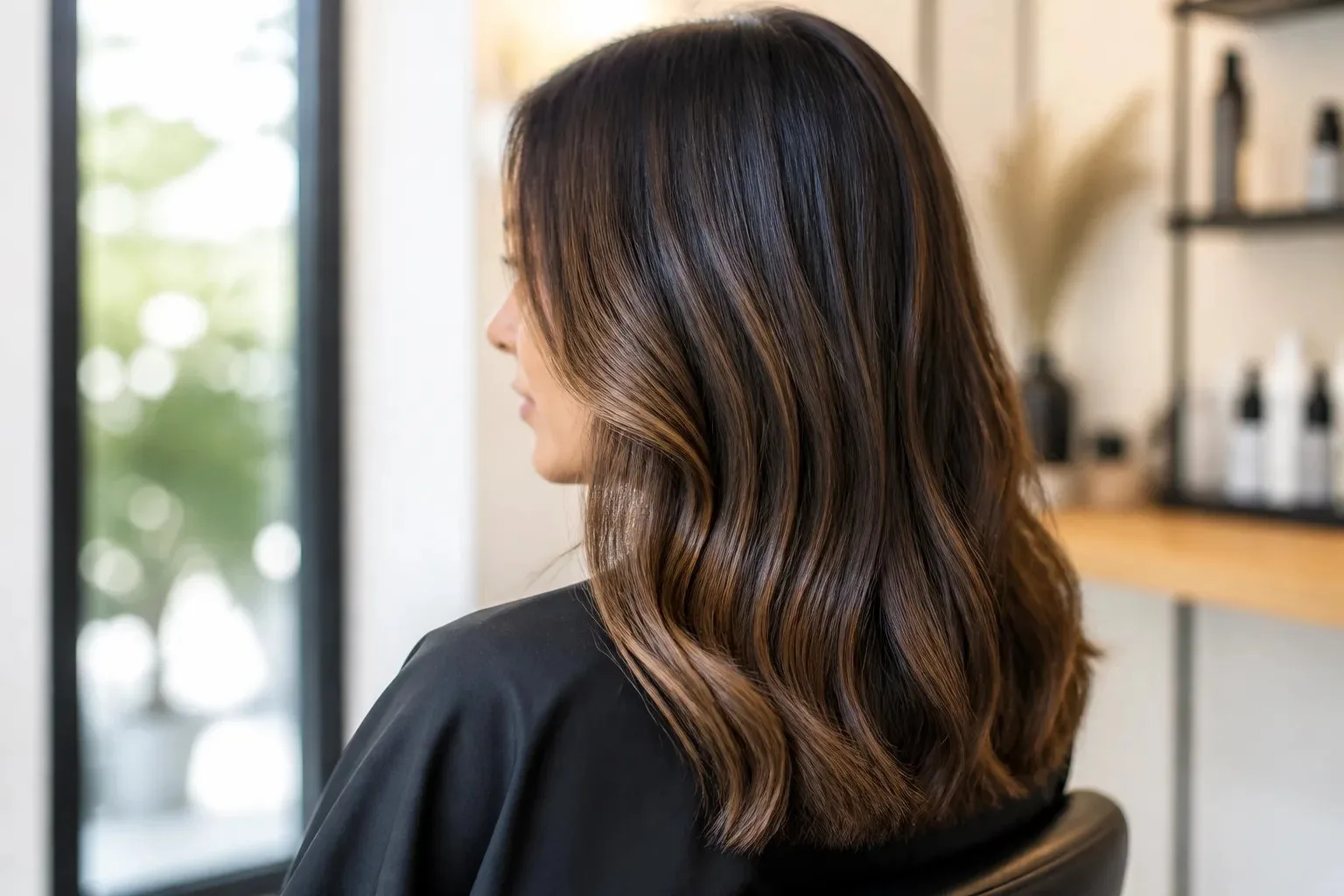
Hair colour maintenance in Mississauga starts with protecting your colour from the routine things that make it look dull, dry, brassy, or uneven: frequent washing, high heat, sun exposure, mineral-heavy water, and products that are too harsh for coloured hair. You cannot stop regrowth or prevent every bit of fading, but a few consistent habits can keep the tone and shine looking fresher between salon visits.
At Crystal Look Beauty & Hair Salon, we offer root touch-ups, full colour, highlights, balayage, toner or gloss, grey blending, fashion colour, lightening, colour correction, and other hair colouring services at our two Mississauga locations. The best maintenance plan depends on what you have coloured and what you notice changing first.
Know what needs refreshing
Not every colour concern calls for the same kind of appointment. Identifying the change you see helps you describe your goal clearly and avoid treating the wrong issue at home.
- A visible root line: This is new growth, not fading. A root touch-up focuses on colouring the regrowth for maintenance or coverage.
- A warmer, brassier, or duller tone: Lightened hair can shift in tone over time. A toner or gloss is a colour service used to refine tone or add shine to existing colour.
- Less brightness through highlights: Highlights can appear less defined as hair grows and the placement moves farther from the root area.
- Colour that looks flat from roots to ends: This may be fading, but dryness and product buildup can also reduce visible shine and make a shade appear less rich.
- Uneven bands, patchiness, or an unwanted result from earlier colour work: These are reasons to discuss your colour history before trying another at-home colour product. Colour correction is planned around complex or uneven previous colour.
Look at your hair in natural daylight before deciding what has changed. Indoor lighting can make a cool brown look warmer, make grey regrowth less visible, or hide the contrast in highlights.
Wash less aggressively, not necessarily less cleanly
Every shampoo session exposes coloured hair to water, friction, and cleansing ingredients. Washing very frequently can make some colours lose their freshly coloured appearance sooner, especially shades that rely on a rich tone or vivid pigment. The goal is not to leave your scalp uncomfortable. It is to choose a wash routine that cleans your scalp without repeatedly stripping the lengths.
If your hair and scalp allow it, spacing washes farther apart can reduce colour fade. On wash days, use lukewarm water rather than very hot water. Hot water can leave the outer layer of the hair feeling rougher, which affects smoothness and shine. Rinse conditioner thoroughly, but avoid prolonged hot rinsing.
Apply shampoo mainly to the scalp, where oil and buildup collect. Let the lather travel through the lengths as you rinse instead of scrubbing the coloured ends aggressively. Follow with conditioner through the mid-lengths and ends, where hair is usually older and has had more exposure to colour processing, heat, and weather.
Choose products based on your actual colour goal
Products labelled for colour-treated hair are generally designed to cleanse more gently than strongly clarifying formulas. That does not mean every product works equally well for every scalp, texture, or colour result, but it is a practical starting point.
Purple, blue, or colour-depositing shampoos can temporarily influence the appearance of certain tones. They are not universal maintenance products. Purple pigments are commonly used to counter yellow-looking tones in lightened blonde or grey hair, while blue pigments are often used where orange warmth is the concern. Using a strongly pigmented product too often or leaving it on longer than directed can leave hair looking dull or unevenly toned. If you are unsure which product suits your colour, bring it up during your next colour conversation rather than choosing by bottle colour alone.
Protect colour from heat styling
Blow-dryers, flat irons, curling irons, and hot brushes do not only affect the finish of your hair for the day. Repeated high heat can contribute to dryness, roughness, and breakage, which makes coloured hair reflect light less evenly. When the surface is less smooth, even a beautiful shade can look less polished.
Use a heat protectant before hot tools, and start with the lowest temperature that gives you the result you need. Let hair air-dry partway before blow-drying when practical. Avoid going over the same section repeatedly with a flat iron or curling iron, particularly on lightened ends that already feel dry.
Heat does not need to be eliminated completely. A realistic routine might mean choosing one main styling method, using fewer passes, and reserving the highest heat for occasions when you truly need it. That approach is generally easier to maintain than alternating between several hot tools every morning.
Sun, water, and weather can change colour appearance
Sunlight can make colour fade or shift, particularly on hair that has been lightened or coloured in brighter shades. UV exposure is not the only concern outdoors: wind, dry air, and frequent wetting can leave hair feeling rough, which reduces shine and makes the tone look less even.
For longer outdoor days, a hat or other hair covering provides the most direct physical protection. If that does not suit the occasion, consider a hair product formulated with UV protection and focus on keeping the lengths conditioned.
Pool water can also affect the feel and appearance of coloured hair. Wetting your hair with fresh water before swimming can reduce how much pool water it takes in. Rinse it soon after swimming, then cleanse and condition as needed. If you regularly swim, tell us during a colour consultation because frequent exposure may affect how you plan maintenance.
Water quality matters too. Mineral deposits can leave some hair feeling coated or looking less bright. This can be mistaken for colour fade. If your hair suddenly feels stiff, looks dull after washing, or does not respond as usual to your normal products, mention your routine and water exposure before assuming you need a complete colour change.
Keep the hair conditioned without creating buildup
Conditioned hair tends to look shinier because smoother strands reflect light more evenly. That is helpful for almost every colour, from a deep all-over shade to dimensional highlights. Use conditioner consistently and treat dry ends gently when detangling.
At the same time, more product is not automatically better. Heavy oils, waxy stylers, dry shampoo residue, and layers of leave-in products can make hair look limp, cloudy, or less reflective. If your colour seems dull but your roots feel coated, simplify your routine before adding more shine products.
A clarifying wash can remove buildup, but some clarifying products are stronger than a routine colour-care shampoo. Use them thoughtfully and follow with conditioning. If you are experiencing repeated dullness, unusual dryness, or a tone you cannot improve with normal care, a professional conversation is more useful than cycling through several harsh products.
Hair colour maintenance in Mississauga: match upkeep to the technique
Different colouring approaches grow out and fade differently. This is worth considering before your next service, especially if you want a look that remains comfortable between visits.
| Colour concern | Useful starting conversation |
|---|---|
| New growth or grey showing at the roots | Ask whether a root touch-up or grey blending or coverage best matches your current result. |
| Overall shade looks faded | Discuss full colour or a toner or gloss, depending on the colour already in your hair and the result you want. |
| Highlights look grown out or lack contrast | Discuss partial, full-head, or targeted highlight placement based on where you want brightness. |
| Balayage or ombre looks less intentional | Show photos in natural light and explain whether the issue is tone, brightness, root contrast, or placement. |
| Uneven or unwanted previous colour | Share the full colour history and ask about a colour correction plan rather than trying to cover it at home. |
Maintenance is not just about how often you return. It is also about choosing a colour direction that fits your tolerance for visible roots, tonal shifts, and daily styling. A more blended effect may make regrowth less obvious, while a close match between root and length can make the transition feel quieter. A precise all-over shade or a high-contrast look may require more attention when new growth becomes visible.
When a professional colour consultation helps
A consultation is especially valuable when you want a major change, have uneven previous colour, or are unsure why your hair looks different. Bring reference images in natural lighting if they help explain the direction you want, but also bring the practical information that shapes what is realistic.
Tell us about recent colour, henna, lightening, straightening, smoothing, or perm services. Mention any ongoing heat styling, pool use, scalp sensitivity, breakage, or dryness you have noticed. Your starting colour, hair condition, length, density, and service history can affect the technique, timing, and path toward the result you want.
Henna colouring deserves particular attention because existing henna colour is part of your colour history. It should be discussed before planning another colour or lightening service. Likewise, if your hair feels unusually fragile or stretchy when wet, say so before planning a major colour change. In some cases, it may be more appropriate to adjust or postpone a process based on the current condition of the hair or scalp.
A simple between-visit routine
Small, repeatable choices do more for colour longevity than an occasional dramatic fix.
- Use lukewarm water and focus shampoo at the scalp.
- Condition the mid-lengths and ends after each wash.
- Use a heat protectant before blow-drying or hot tools.
- Reduce repeated high-heat passes on the same sections.
- Protect your hair during long periods of sun exposure and rinse after swimming.
- Choose colour-care products that match your actual concern, rather than using pigmented or clarifying products by default.
- Take a natural-light photo when you first notice fading, brassiness, regrowth, or unevenness so you can show what has changed.
If your goal is simply to keep a colour you already love looking intentional, start with gentle washing, sensible heat use, and conditioning. If the issue is new growth, faded tone, grown-out placement, or uneven earlier colour, the next step is a clear conversation about the specific change you see. We offer a range of hair colour options at both of our Mississauga salons, and you can review our locations to choose the one that is most convenient for your visit.
Colour history matters
Do not treat uneven colour as a simple touch-up
If you have used henna, lightened your hair, or have patchy previous colour, share that history before planning the next step. A colour correction is distinct from routine maintenance and may need a tailored plan.
Between-visit checklist
Keep your colour looking fresher at home
Use these practical habits to protect the tone, shine, and condition of coloured hair between salon visits.
- Wash with lukewarm water and keep shampoo focused on the scalp.
- Condition the mid-lengths and ends after washing.
- Apply heat protectant before using a blow-dryer or hot tools.
- Avoid repeated high-temperature passes over the same section.
- Protect hair during prolonged sun exposure and rinse after swimming.
- Use pigmented or clarifying products only when they address your specific concern.
- Photograph noticeable regrowth or tone changes in natural light before your consultation.
Helpful answers
Frequently Asked Questions
Find Your Convenient Salon Location
Choose between our two Mississauga locations before your next hair colour maintenance visit.